

For two weeks now, a rotating cast of police officers have arrived to a Manhattan courtroom to lay out exactly what happened the day Luigi Mangione was arrested and accused of killing UnitedHealthcare CEO Brian Thompson.
Two questions are at the heart of this lengthy pre-trial suppression hearing: Was the search of Mangione’s backpack in Altoona, Pennsylvania, last year legal? And did officers properly read him his Miranda rights?
If the judge rules for the defense, prosecutors may not be allowed to show the jury key pieces of evidence in the case, including the 3D-printed firearm, loaded magazine, silencer and handwritten journal found in Mangione’s backpack, as well as some statements he made.
Mangione has pleaded not guilty to nine charges, including second-degree murder, in a case that has made clear the depth of frustration and anger at the American health care system. A trial date has not yet been set.
It’ll be an uphill battle for Mangione’s defense to get the evidence suppressed. Defendants tend to lose suppression hearings the vast majority of the time, said CNN legal analyst and defense attorney Joey Jackson.
Even so, getting so many officers and eyewitnesses to testify under oath can help the defense down the road. Through the hearing, the defense now knows what the officers saw and did and can probe for any inconsistencies.
“Here, where you’ve had over a dozen witnesses testify and counting, you’ve got a lot of good intel if you’re the defense in terms of what’s coming for you,” Jackson said.
In other words, the defense can lose this battle but still win the war, explained Jeremy Saland, a defense attorney and former Manhattan prosecutor.
“You can set the stage for a lack of credibility, even if you ultimately lose the suppression,” he said.
With the pre-trial hearing continuing into next week, CNN took a closer look at the testimony and evidence revealed so far.
Here are five key things we learned in this hearing that seem likely to play a role in Mangione’s upcoming murder trial, including his use of a fake name and ID, the contents of his backpack and a crucial 11-minute period without body-cam video.
Mangione gave fake name and ID, video shows
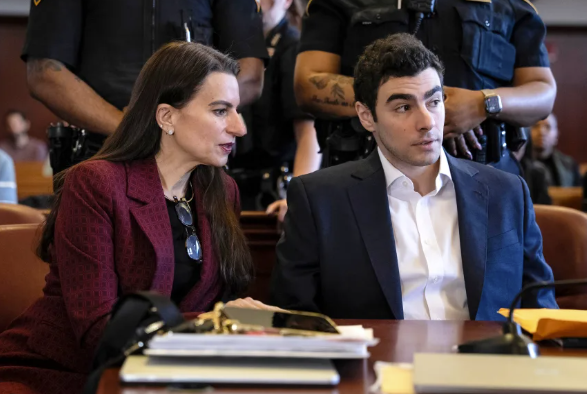
One of the key pieces of evidence revealed in this hearing is body-camera video of officers confronting Mangione at a McDonald’s in Altoona, days after Thompson’s fatal shooting set off a national manhunt.
An officer asked him to pull down his face mask and asked for his name. Mangione said it was “Mark Rosario” and gave the officer a New Jersey ID card bearing the same name, the video shows.
The officers soon learned the name and ID were false and confronted him, and Mangione admitted his real name. One of the officers asked Mangione why he lied about his name, and Mangione responded, “I clearly shouldn’t have.”
While a small detail in the grand scheme of things, Mangione’s use of a false name and ID is likely to help the prosecution’s case.
“It goes to, arguably, his consciousness of guilt,” Saland said. “That he’s trying to hide who he really is because he committed this crime.”
In addition, the same ID was used by the shooting suspect to check into a hostel in New York, according to prosecutors.
Police debated backpack search
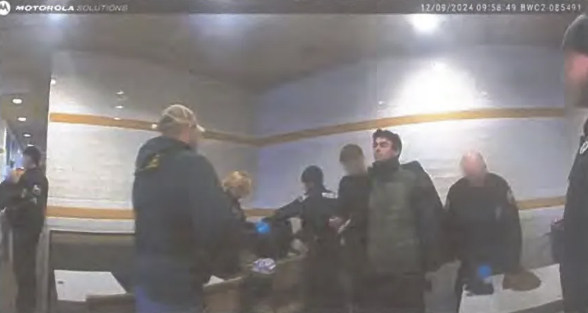
Mangione’s use of a fake name and ID may have helped prosecutors in another way.
On the stand, multiple officers said Mangione’s decision to give a fake name and ID constituted a crime. That allowed them to arrest him on charges related to the fake ID and search his belongings, including his backpack, due to a policy known as “search incident to arrest,” they said.
The Altoona Police Department policy says officers can search “the clothing worn by the person and any bags or packages they may be in possession of at the time and place of arrest.” The policy also says multiple searches of the person are permitted as custody is passed from officer to officer or facility to facility.
“We are arresting him for a crime he committed,” Officer Stephen Fox testified. “We can search his bag ‘incident to arrest’ all day on that. We do not need to worry about the New York case at that time. He’s arrested for a crime he committed in our presence.”
Police did an initial search of the backpack at the McDonald’s and then later brought it to the police station, where they found the gun and other items, according to testimony.
The defense has argued the backpack search was illegal and noted that investigators did not get a search warrant until later that night. The warrant was for the transfer of the property to the NYPD, officers testified.
To the defense’s point, the officers on scene debated among themselves whether they should get a warrant after they searched his backpack at the McDonald’s but before it was brought to the station, the body-camera footage shows.
Cpl. Garrett Trent said, “At this point we probably need a search warrant” to go into the backpack, according to the footage. Another officer, Cpl. Bryan Miller, agreed. “I would still play it safe because of the severity of it and get a search warrant,” Miller said.
However, other officers pushed back, saying that the backpack search was legal and appropriate. Police ultimately searched the backpack further at the station.
“I’m not gonna sit there and argue with Cpl. Trent in a McDonald’s over an opinionated suggestion he made,” Sgt. Jon Burns, who is Trent’s superior, testified.
Officers asked Mangione questions before Miranda rights
The defense has argued that Mangione was not properly read his Miranda rights, the all-important advisement of a defendant’s rights to silence and to an attorney.
Body-camera footage shows that an officer read Mangione his Miranda rights about 20 minutes after they first started asking questions.
In general, officers must read a defendant their Miranda rights before an in-custody interrogation, Saland explained to CNN. The lines of questioning at this hearing have therefore focused on what constitutes “in custody” and what constitutes an “interrogation.”
The defense has argued his comments in the McDonald’s on December 9 through his extradition to New York 10 days later should be set aside. Prosecutors have said the officers properly read him his rights at the appropriate time.
The decision is relevant not just to Mangione’s comments at the McDonald’s about the false name, but also to comments he allegedly made to two law enforcement officers while behind bars, at his court hearing and in a patrol car.
Corrections officer Matthew Henry testified that Mangione told him he had a backpack with a 3D-printed gun. Another corrections officer, Tomas Rivers, testified that he and Mangione discussed the differences in private and nationalized health care.
However, both said they did not tell anyone about these conversations until they were questioned by prosecutors earlier this year.
These statements could end up being used in court to show Mangione’s focus on health care and his alleged possession of the firearm. Still, the defense will now have a preview of what is coming and how to approach a potential cross-examination.
11 minutes not recorded
A key point of contention concerned an 11-minute period when a police officer turned her body camera off and drove Mangione’s belongings from the McDonald’s to the Altoona police station.
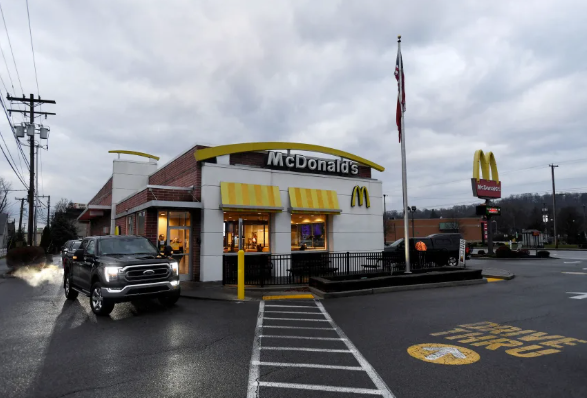
Officers Christy Wasser and Fox had done a cursory search of Mangione’s backpack at the McDonald’s and found a loaded magazine, they testified. They then put his things back in his backpack and in a brown McDonald’s bag and separately drove back to the police station, they said.
Fox took the bag and Wasser took the backpack, they testified. However, Fox was diverted elsewhere, so Wasser met up with him on the drive and retrieved the bag, she testified.
Wasser testified that she turned off her body-worn camera during that short drive. She also kept her gloves on during the drive.
When she turned the body camera on again, she brought the bags into the precinct. Upon opening the backpack, she quickly found the firearm that prosecutors say matches the one used in the shooting.
The defense repeatedly questioned Wasser about what happened during that 11-minute period, noting that other officers got to the precinct in 9 minutes.
“Isn’t it true that it took you longer to get there because when you stopped with Officer Fox to switch bags, you searched the bag?” defense attorney Karen Friedman Agnifilo asked.
“It is not accurate,” Wasser said.
Wasser testified under re-direct that her department’s policy is to turn on body-worn cameras any time they’re speaking with the public. She said the first time she found the gun and the silencer was in the intake center at the police station.
Saland told CNN that this 11-minute period without video could provide an opening for the defense to raise questions.
“Even if (officers) were completely by the book other than turning off the body cameras, whether they should or should not have, it’s gonna leave a sense of questioning in the mind of a juror potentially,” he told CNN. “That’s a great tool for the defense.”
Lots of witnesses and lengthy hearing
Pre-trial suppression hearings are common in criminal cases and generally take up a single morning, or maybe a full day. Two days is unusually long.
By contrast, Mangione’s suppression hearing is now pushing into its third week, and over a dozen people have testified so far.
“A multi-week suppression hearing is an outlier by a lot,” Joey Jackson said. “It’s not the way things take place at all.”
Saland said the length and number of officers testifying indicates how seriously the prosecution is taking this hearing.
“Most cases don’t necessitate so many different officers. It demonstrates that there is concern from the prosecution as to potentially some of the legality of what occurred,” he said. “They unquestionably … recognize the gravity of this case and need to make sure every ‘i’ is dotted and ‘t’ is crossed.”
Jackson agreed.
“Because this is such a high-profile case involving issues of great importance … I think that they’re just doing everything they can to make sure that things are done right.”
LEY GENERAL DE AGUAS 2025: Un Nuevo Horizonte para FIBRAs y la Inversión Inmobiliaria Sostenible en México
En el vibrante panorama económico de México en 2025, la interacción entre el desarrollo urbano, la inversión inmobiliaria y la sostenibilidad hídrica ha alcanzado una encrucijada crítica. Como experto con una década de experiencia en el sector de Fideicomisos de Inversión en Bienes Raíces (FIBRAs), he sido testigo de la evolución de nuestro mercado y de cómo la gestión del agua se ha transformado de una cuestión operativa a un pilar estratégico fundamental para la valoración de activos, la mitigación de riesgos y la atracción de capital. Es en este contexto que la reciente apertura del Gobierno de México en el proceso legislativo de la nueva Ley General de Aguas no es solo una noticia, sino un punto de inflexión que promete redefinir el futuro de la inversión inmobiliaria sostenible en México.

La administración de la Presidenta Claudia Sheinbaum Pardo, junto con los legisladores y el equipo de la Comisión Nacional del Agua (CONAGUA), ha demostrado una apertura encomiable y un diálogo constructivo en el análisis de esta legislación vital. Este enfoque colaborativo, que escuchó activamente las preocupaciones y propuestas del sector privado, es un indicio positivo de que la Ley General de Aguas podría sentar las bases para un marco regulatorio robusto, predecible y que realmente impulse el desarrollo urbano sostenible 2025. Para las FIBRAs, esto se traduce en una mayor certidumbre hídrica y reglas claras, elementos indispensables para desplegar capital en proyectos de largo plazo que benefician tanto a los inversionistas como a la sociedad.
El Derecho Humano al Agua: Un Eje Central con Implicaciones Profundas para las FIBRAs
La decisión de colocar el “derecho humano al agua” en el centro de esta nueva legislación es, sin duda, un avance significativo. Más allá de su imperativo social y ético, este principio fundamental tiene ramificaciones directas en la planificación urbana y en la viabilidad a largo plazo de los proyectos inmobiliarios. Para las FIBRAs, que gestionan portafolios masivos de propiedades en diversos segmentos (industrial, comercial, oficinas, hoteles), la garantía de acceso equitativo y sostenible al agua para las comunidades circundantes y los usuarios de sus inmuebles se vuelve una responsabilidad ineludible y un factor determinante de su licencia social para operar.
Un marco que protege este derecho exige a los desarrolladores y propietarios de activos una visión más allá del consumo inmediato. Nos empuja hacia la gestión eficiente del agua en propiedades comerciales e industriales, la inversión en tecnologías de reutilización y la adopción de prácticas que minimicen el impacto hídrico. Las FIBRAs, al ser vehículos de inversión sustentable en bienes raíces, tienen la oportunidad de liderar esta transformación, integrando soluciones innovadoras en sus carteras que no solo cumplen con la normativa, sino que también generan valor añadido a través de la resiliencia operativa y la reputación ESG (Ambiental, Social y de Gobernanza).
FIBRAs como Vanguardia en la Gestión Hídrica Sostenible
La Asociación Mexicana de FIBRAs Inmobiliarias (AMEFIBRA) ha subrayado consistentemente la necesidad de un marco regulatorio que promueva una gestión eficiente y sostenible del recurso hídrico. Esto va más allá de la mera conservación; implica una estrategia proactiva que abarca desde la fuente hasta el consumo final, y donde las FIBRAs pueden jugar un papel crucial.
Modernización de la Infraestructura y Operaciones Hídricas:
Las propiedades que conforman el portafolio de las FIBRAs, desde centros logísticos de última generación hasta complejos de oficinas corporativas, son espacios idóneos para la implementación de tecnología hídrica en edificios inteligentes. Hablamos de sistemas de monitoreo y detección de fugas basados en IoT (Internet de las Cosas) que permiten una respuesta inmediata y reducen el desperdicio. La reutilización de aguas grises en propiedades comerciales para riego de áreas verdes, inodoros o incluso procesos industriales, ya no es una opción futurista, sino una práctica rentable y ambientalmente responsable que reduce drásticamente la demanda de agua potable. En 2025, la inversión en estas soluciones no es un gasto, sino una ventaja competitiva que disminuye los costos operativos a largo plazo y mejora la atractividad del activo.
Mecanismos para la Transmisión de Derechos y Certidumbre Jurídica:
Uno de los puntos clave para cualquier inversionista es la certidumbre jurídica en la inversión. Un marco regulatorio que incorpore mecanismos claros para la transmisión de derechos de agua, incentivando la planificación estratégica y facilitando el cumplimiento normativo, es esencial. Esto permitiría a las FIBRAs y otros actores del sector privado participar de manera más activa en la protección y asignación del recurso, posiblemente a través de fondos de inversión inmobiliaria verde enfocados en infraestructura hídrica o la adquisición de derechos para garantizar la operación de sus desarrollos. La claridad regulatoria para operadores y usuarios es un pilar que mitiga el riesgo hídrico en propiedades y fomenta un entorno de inversión estable.
El Aprovechamiento del Agua Pluvial como Estrategia de Resiliencia:
La mención explícita del aprovechamiento de agua pluvial con fines distintos al doméstico es una visión progresista que las FIBRAs están en una posición única para capitalizar. México, con sus patrones de lluvia estacionales, ofrece un vasto potencial para la recolección a gran escala. Imaginemos naves industriales con techos masivos que capturan y almacenan millones de litros de agua de lluvia para sus procesos, o centros comerciales que utilizan esta fuente para sus sistemas de enfriamiento y mantenimiento de áreas comunes. Esto no solo reduce la presión sobre el abasto tradicional y los costos asociados, sino que también convierte a los inmuebles en infraestructuras más resilientes frente a la escasez y los fenómenos climáticos extremos, un factor crítico en la valorización de activos inmobiliarios sostenibles.
Colaboración Multilateral: La Clave para un Futuro Hídrico Resiliente
La colaboración entre autoridades, sector privado y comunidades es más que una aspiración; es una necesidad imperativa para elevar los estándares de uso responsable del agua en México. Las FIBRAs, por su alcance y capacidad de inversión, pueden ser facilitadores de esta sinergia.
Proyectos Público-Privados: Identificar oportunidades para alianzas público-privadas en proyectos hídricos que aborden la modernización de redes, el tratamiento de aguas residuales o la construcción de infraestructura de almacenamiento a escala regional. Las FIBRAs podrían aportar no solo capital, sino también experiencia en gestión de proyectos y eficiencia operativa.
Investigación y Desarrollo: Financiar o participar en programas de I+D para el desarrollo de nuevas tecnologías de potabilización, desalinización sostenible o sistemas avanzados de reutilización.
Educación y Conciencia: Implementar campañas en sus propiedades para educar a inquilinos y usuarios sobre la importancia de la conservación del agua, fomentando una cultura de consumo consciente.
Para AMEFIBRA, y por extensión para el conjunto del sector, este ejercicio de apertura en la legislación hídrica representa un paso trascendental hacia un futuro hídrico más seguro, transparente y sostenible. Es la oportunidad de cimentar una verdadera infraestructura hídrica resiliente que soporte el crecimiento económico y social del país sin comprometer el recurso vital.

El Imperativo Económico: Agua, FIBRAs y el Retorno de Inversión
Desde una perspectiva puramente económica, la gestión proactiva del agua es un diferenciador clave para las FIBRAs en el mercado de 2025.
Mitigación de Riesgos: El riesgo hídrico en inversión se ha vuelto una consideración primordial. La escasez de agua puede paralizar operaciones, imponer multas severas o incluso desvalorizar activos. Las FIBRAs que demuestran una gestión hídrica ejemplar mitigan estos riesgos, protegiendo el valor de sus inversiones y la estabilidad de sus flujos de efectivo.
Eficiencia Operativa y Ahorro de Costos: La inversión en eficiencia hídrica en propiedades comerciales no es solo una cuestión ambiental, sino financiera. La reducción del consumo de agua se traduce directamente en menores costos operativos (facturación de agua, energía para bombeo y tratamiento), mejorando el NOI (Net Operating Income) y, por ende, la rentabilidad para los inversionistas.
Atracción de Capital ESG: El creciente apetito de los inversionistas institucionales por activos ESG ha posicionado a la sostenibilidad como un factor clave en la asignación de capital. Las FIBRAs con sólidos reportes de sostenibilidad, incluyendo métricas robustas de gestión hídrica, tienen acceso preferencial a financiamiento verde inmobiliario y atraen a una base de inversionistas más amplia y comprometida con el largo plazo. Las FIBRAs verdes México están emergiendo como líderes en este espacio.
Valorización del Activo y Competitividad: Un edificio o un portafolio de propiedades con certificaciones de sostenibilidad (como LEED, EDGE o similares con enfoque hídrico) y prácticas de gestión del agua avanzadas, es inherentemente más valioso en el mercado. Ofrecen un mayor atractivo para inquilinos que también buscan operar de manera sostenible, lo que se traduce en menores tasas de vacancia y rentas premium. Esto refuerza la rentabilidad ESG inmobiliaria.
Hacia un Compromiso Hídrico Renovado
En AMEFIBRA, nuestro compromiso de colaborar proactivamente con las autoridades federales, estatales y municipales es inquebrantable. Buscamos impulsar las mejores prácticas de gestión del agua en los inmuebles que forman parte del sector de FIBRAs, no solo por cumplir con una normativa, sino por una convicción profunda de que el bienestar de los usuarios, el desarrollo económico del país y la construcción de una infraestructura inmobiliaria más resiliente y sostenible para México dependen de ello.
La nueva Ley General de Aguas, en su espíritu de apertura y colaboración, nos brinda la oportunidad de institucionalizar estas prácticas y convertirlas en el estándar de la industria. Es el momento de trascender la visión limitada del agua como un simple insumo, para reconocerla como el recurso estratégico que define nuestra capacidad de crecimiento y nuestra responsabilidad social.
Las FIBRAs están listas para ser protagonistas en la construcción de este futuro hídrico. No solo estamos hablando de cumplimiento, sino de innovación, de inversión inteligente y de liderazgo. Estamos listos para integrar soluciones innovadoras para la escasez de agua y para demostrar que la sostenibilidad hídrica es, de hecho, el camino más seguro hacia la rentabilidad y el impacto positivo a largo plazo.
Invitación a la Acción:
El futuro hídrico de México se está escribiendo ahora, y el sector de FIBRAs tiene un papel fundamental en este relato. Les invitamos a sumarse a esta conversación, a explorar las oportunidades que la nueva Ley General de Aguas ofrece para la inversión sustentable en México, y a colaborar con AMEFIBRA y las autoridades para construir un legado de prosperidad y resiliencia hídrica. Juntos, podemos transformar los desafíos en oportunidades y asegurar un futuro más sostenible para todos.