


Many migrants who were hoping to reach the U.S. are now stuck in a backlog with Mexico’s refugee agency; others are going home.
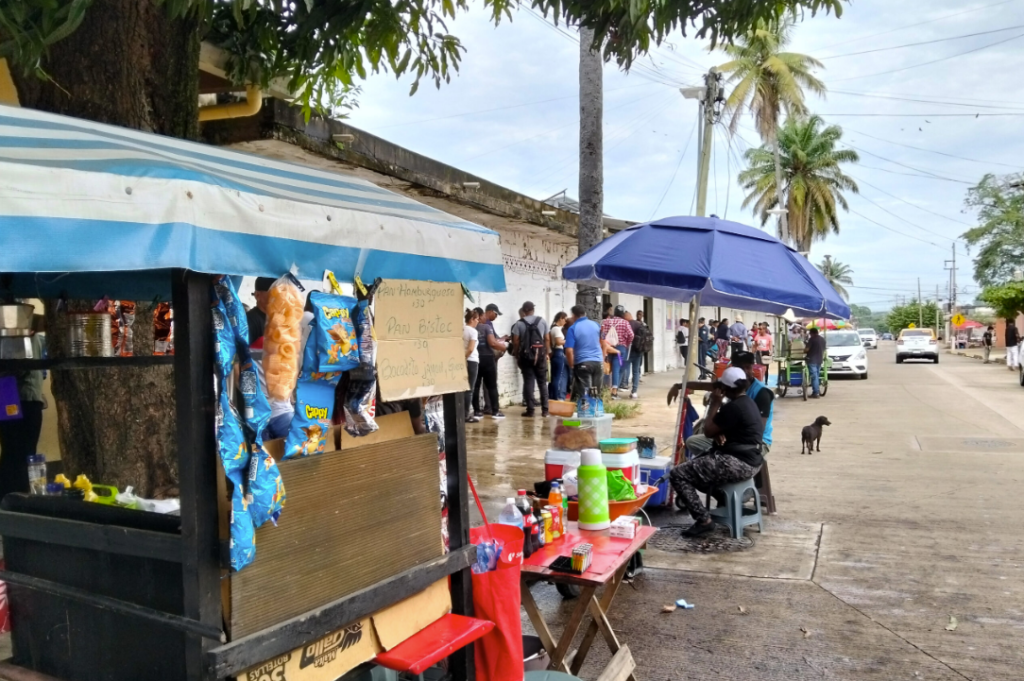
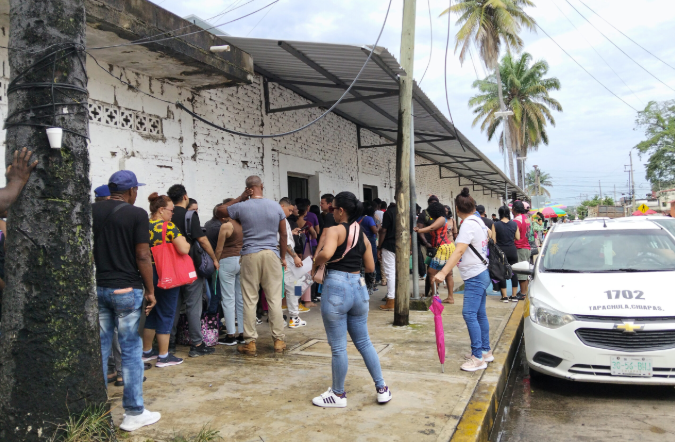
The line of people outside the office for Mexico’s refugee agency formed before 7 a.m., stretching down the sidewalk on a September morning in Tapachula, a small city near the border with Guatemala.
“Strong Cuban coffee!” a woman advertised in Spanish, walking up and down the line.
Haitian women sat across the street selling pastries from large, plastic tubs.
As 9 a.m. approached, the line continued to grow, each new arrival verifying they had found the end of the queue.
Mostly a mix of Haitians, Cubans and Venezuelans, those standing in line were all there to sign in — to prove to the Mexican government that they hadn’t left Tapachula, that they were waiting as instructed for the government to process their asylum applications. They said they had to return and sign in again roughly every two weeks.
When asked how long they’d been waiting in Tapachula, they answered with the number of times they’d come to sign in. A Cuban man who had arrived about three months ago was on his second signature. A Venezuelan woman had signed in 11 times, and two Cuban men said they’d come to sign in nearly 20 times.
None of the asylum seekers interviewed by Capital & Main were willing to be identified because of their uncertain, vulnerable situations.
The two Cuban men who’d been in Tapachula roughly a year seemed resigned to their indefinite waits.
“When God says,” one of the men responded when asked when his final appointment would happen.
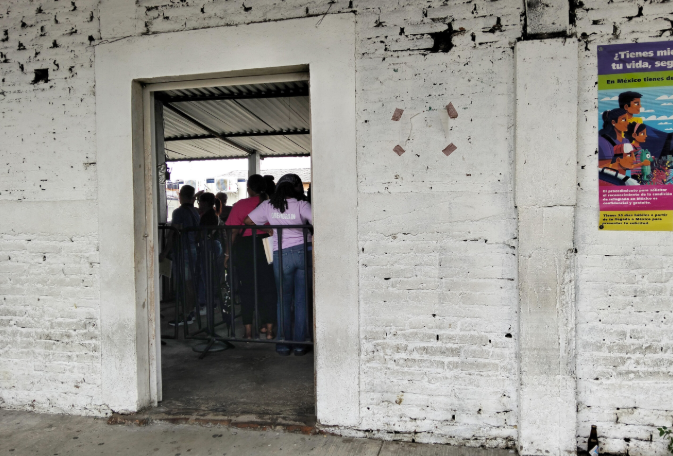
Since President Donald Trump came back into office and shut down a phone application called CBP One that, under the Biden administration, was the only way to request protection in the U.S., migrants in Mexico have had to recalculate their plans.
Some have continued on to the U.S. anyway, crossing the border without permission — the only way left to gain access to U.S. soil and possibly request protection — and risking deportation without any review of their cases. Others have opted to go back to their home countries or to pursue asylum claims in Canada or Europe.
The people waiting outside the refugee agency in Tapachula were among those who chose a third option, to try to start their lives over in Mexico. COMAR, as the refugee agency is known, has not yet released data about asylum applications in 2025, but organizations including Asylum Access Mexico, Coalition for Humane Immigrant Rights and Instituto para las Mujeres en la Migración have reported long wait times for processing.
The Trump administration’s cuts to foreign aid slashed COMAR’s budget, one of the reasons for the increased waits, according to the human rights organizations.
The U.S. State Department would not comment on the record, but responded with a statement from an unnamed spokesperson:
“In managing U.S. foreign assistance funding, the State Department puts the American people first and ensures every hard-earned taxpayer dollar spent is justified by a concrete benefit to U.S. national interests,” the statement said.
Because of the administration’s cuts, many of the organizations that helped migrants in Mexico have also lost funding and either closed or cut staff, according to Miguel Hernández, head of the Tapachula office for the Coalition for Humane Immigrant Rights, or CHIRLA.
“Those who stayed trapped in Mexico face a rather broken refugee system,” Hernández said.
Migrants are also still arriving in Tapachula, said Joselin Zamora of Centro de Derechos Humanos Fray Matías de Córdova, a human rights nonprofit that helps migrants in Tapachula.
“They haven’t stopped arriving because the reasons they left their countries haven’t disappeared,” she said.
Requesting Protection in Mexico
To apply for asylum in Mexico, migrants first go to the COMAR office and give their information. Workers tell them to wait for an email with appointment details. The entire process is supposed to take about a month and a half, Zamora said, but in reality, it’s much longer.
The wait for just the initial email can take one to four months, Zamora said. From there, asylum seekers often wait about a year for an interview to determine their eligibility. In the meantime, COMAR requires them to check in periodically and sign in to prove they’re still waiting.
Those needing interviews in languages other than Spanish take the longest, Zamora said, because of limited interpretation resources for the interviews.
For several years, the office has received more applications than it has the resources to complete. More people turned to the Mexican asylum process during the Biden administration because the U.S. government pressured Mexico to stop migrants from heading north, and completing at least part of the process at the time allowed for safer passage through the country.
Now, for many, it’s the only way to avoid deportation to places where they fear for their lives.
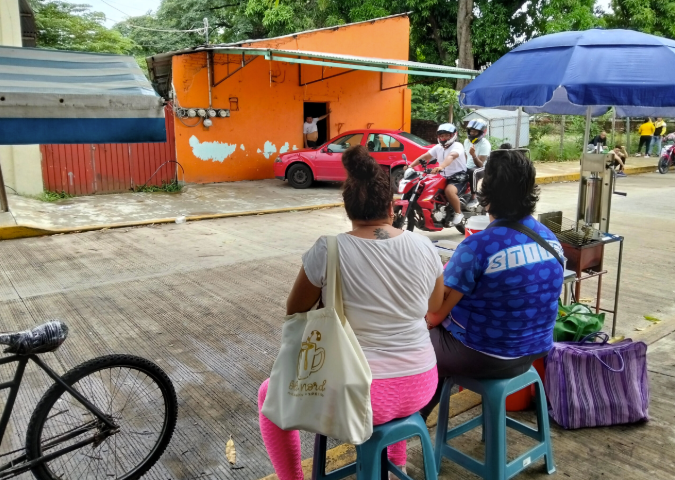
The two Cuban women selling coffee that September morning said they’d been in Tapachula since January, and that after Trump came into office, they decided to apply for asylum in Mexico.
From February through September, they signed in at the COMAR office 17 times, they said.
They said they weren’t allowed to leave the state of Chiapas, where Tapachula is located, until they finished the process and had received refugee status. They said they struggled to find work to make ends meet in Chiapas, one of the poorest states in the country.
Every morning, they arrived outside the COMAR office before 7 a.m. to sell coffee and fried food — chicken croquetas, churros and Cuban tamales — to those waiting in line. They said they stayed until either they sold out or there were no more people in line.
What they made from the breakfast sales wasn’t enough to pay rent, they said, so they were constantly looking for other ways to make money.
Hernández said that the cost of living in Tapachula has increased significantly in the past couple of years.
“They can’t get dignified work,” he said of the asylum seekers still stuck there.
A Haitian woman who had lived in Chile before coming north to Mexico sold drinks next to the Cuban women. She hadn’t been able to sell much, she said.
“Life is really difficult,” the woman said in Spanish.
She worried about being able to take care of her daughter. They had been waiting nine months — or 15 signatures — she said.
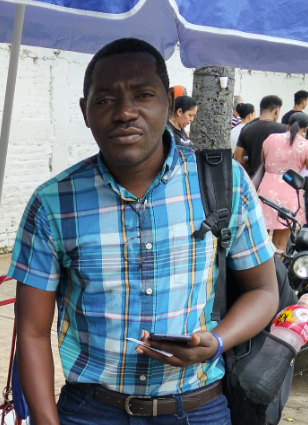
A Haitian man named Job stood talking with her. He said that Haitians, in particular, struggle in Tapachula. Over time, as the town became a migrant hub, a place some called a prison city for migrants, many locals discriminated against arriving Haitians.
“We’re looking for life, and there isn’t life really,” Job said in Spanish.
He said he’d been an English and Spanish teacher in Haiti before bandits took control, and he had to leave.
‘Nothing Is Impossible’
A little after 9 a.m., the COMAR line started to move, guided by federal police, who instructed people to put their phones away and take off hats, glasses and headphones as they entered. Many carried stacks of documents in colorful, plastic folders.
The line wound through crowd control fencing to the back of a long room.
A man on a megaphone inside the office informed those in line that their next appointment to sign in would be in two weeks at a new location. Workers at two desks called people up one-by-one from the line to check in.
As the morning wore on, the people still in line outside the building shifted to the shade to avoid the heat of the sun.
The Venezuelan woman who had already signed in 11 times stood toward the back of the line. She said she still hoped to go to the U.S. one day.
“I think that’s the dream of everyone that’s here,” she said in Spanish.
She had crossed through the Darién Gap, a notorious jungle that separates Colombia and Panama that in recent years became a common migrant path north.
She said she had been willing to risk her life taking that route toward the hope of a better future, but she did not want to risk her family. She hoped to be able to bring her adult children, ages 27, 20 and 19, to Mexico once she finished the asylum process there.
A Cuban man who stood behind her in line had left his 5-year-old son and wife back home. He traveled from Cuba to Nicaragua and then north through Central America. He, too, hoped to obtain Mexican residency and bring his family to join him.
Both the Venezuelan woman and Cuban man said they had worked in the medical field before deciding they needed to flee their countries because of the political situations there.
They weren’t sure if they would be able to get relicensed in Mexico.
“It’s starting over from zero,” the Venezuelan woman said, “but nothing is impossible.”
Going Home
That same week, in an upscale neighborhood in Mexico City, a group of Venezuelans stood in line outside a building with a different purpose — they were trying to go back to their home country.
They were waiting at the Venezuelan embassy to get help to go home. Those with passports could buy plane tickets home, but otherwise they had to request safe passage, the only alternative without taking the risky journey through the Darién Gap a second time.
After seeing that path for themselves as they traveled north, those waiting outside the embassy said they didn’t want to repeat their experiences. They were also afraid of staying longer in Mexico — several said they had been victims of kidnapping or other violence against migrants.
“Here, everything is a fight,” one Venezuelan woman said in Spanish.
Another woman said she’d come north looking for freedom, education for her children, access to health care and work to be able to support family members still in Venezuela. She was worried about starting over back home.
“But we’ll be in known territory,” she said in Spanish.
They were staying in a shelter in Mexico City while they waited for approval of their safe passage requests, she said.
This process, too, was backlogged, according to Gretchen Kuhner, co-founder and director of Instituto para las Mujeres en la Migración, or IMUMI. Several faded pieces of paper with QR codes offering information about lists for passports or safe passage requests, relics of that backlog, were still taped to the wall outside the embassy in late September.
But the people waiting that afternoon said they expected to finish the process in a matter of weeks now that fewer people were applying.
A couple waiting for their safe passage documents said they had CBP One appointments to request asylum at the U.S.-Mexico border for Jan. 26, but the Trump administration cancelled the program days before their scheduled date. They said traveling through Mexico was even worse than the Darién Gap, and because of that, they wanted to go home by plane.
They had taken a bus to Mexico City, they said, and Mexican police strip searched them on the way, looking for money.
“It was horrible,” the wife said. “They abuse you as a migrant.”
They were afraid of going back to Venezuela, but more afraid of staying, they said. They couldn’t find enough work to take care of their basic needs, and schools wouldn’t accept their children because they are not Mexican, they said.
“Our dream was to arrive in the United States, but we couldn’t,” the husband said.
Now, he’s not sure if he would want to live in the U.S. anyway. He’d seen videos online of immigration officials making violent arrests.
“I prefer to be free,” he said.
Fibra Uno: 50 Mil Millones de Pesos para Redefinir el Paisaje Inmobiliario de México al 2030
En el dinámico panorama económico de 2025, donde México se consolida como un polo de inversión global y un epicentro de reconfiguración de cadenas de suministro, Fibra Uno (FUNO), el pionero y gigante de los fideicomisos de inversión en bienes raíces (FIBRAS) en América Latina, ha lanzado un plan estratégico que no solo reafirma su liderazgo, sino que marca la pauta para la evolución del sector inmobiliario nacional. La compañía ha anunciado una ambiciosa proyección de inversión que asciende a 10 mil millones de pesos anuales durante los próximos cinco años, sumando un total de 50 mil millones de pesos destinados a la expansión y fortalecimiento de sus portafolios industrial, comercial y de oficinas. Esta iniciativa, revelada durante el FUNO Day 2025 en Nueva York, no es meramente un plan de crecimiento; es una declaración de confianza en el futuro económico de México y una hoja de ruta para capitalizar las oportunidades emergentes en un mercado vibrante.
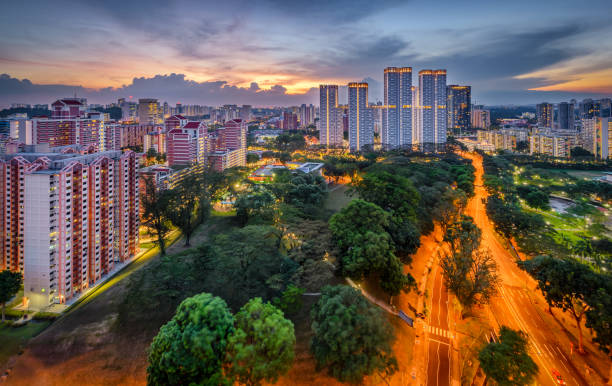
Con una década de experiencia observando y actuando en las trincheras del real estate mexicano, puedo afirmar que esta estrategia de Fibra Uno es un movimiento maestro, calculado para posicionar a la Fibra a la vanguardia de las megatendencias que definen nuestra era. Desde la ebullición del nearshoring hasta la reinvención del consumo interno y la metamorfosis de los espacios laborales, FUNO está invirtiendo no solo en ladrillo y mortero, sino en el tejido mismo del progreso económico de la nación.
El Plan Maestro de Inversión: Sembrando el Futuro con Visión Estratégica
La magnitud de la inversión de FUNO, 50 mil millones de pesos en cinco años, es un testimonio de la visión a largo plazo que caracteriza a los líderes del mercado. En el 2025, el apetito de los inversionistas por México se percibe robusto, impulsado por una estabilidad macroeconómica envidiable, una demografía joven y un creciente poder adquisitivo. Gonzalo Robina, director general adjunto de Fibra Uno, encapsula este sentir al destacar el “ánimo bastante positivo de los inversionistas con respecto a México” y la “oportunidad sin precedentes para seguir desarrollando espacios que acompañen el crecimiento del país.” Este optimismo no es infundado; se basa en un análisis profundo de los pilares económicos que hoy sostienen a México.
El plan de inversión de Fibra Uno responde directamente al dinamismo sin precedentes que experimentan sectores clave: la logística tercerizada, impulsada por el boom del e-commerce; la demanda de espacios industriales modernos, catalizada por la relocalización de cadenas de valor globales; y la resiliencia del sector comercial, adaptándose y evolucionando con el consumo interno. Desde mi perspectiva, la estrategia de FUNO no solo busca crecer, sino diversificar y optimizar su cartera para mitigar riesgos y maximizar retornos, una práctica esencial en la inversión inmobiliaria México.
La clave reside en la capacidad de la Fibra para identificar y capitalizar las sinergias entre estos sectores. Por ejemplo, el auge del e-commerce no solo impulsa la demanda de naves industriales para centros de distribución, sino que también exige una reconfiguración de los centros comerciales para servir como puntos de recogida o showrooms, integrando así el retail inversión con la logística avanzada. Este enfoque holístico es lo que separa a un actor dominante como FUNO de la competencia.
El Auge Industrial: Nearshoring como Motor de Crecimiento Sostenible
El sector industrial es, sin duda, la joya de la corona en la estrategia de inversión de Fibra Uno para los próximos cinco años. El fenómeno del nearshoring ha transformado la industria inmobiliaria en México, con una demanda insaciable de naves industriales en renta y parques industriales modernos a lo largo de los corredores logísticos estratégicos del país. Las empresas multinacionales, buscando mitigar las interrupciones en la cadena de suministro experimentadas durante la pandemia y acercar su producción al vasto mercado norteamericano, están migrando sus operaciones a México a un ritmo acelerado. Este flujo de inversión extranjera directa no solo genera empleo y crecimiento económico, sino que también impulsa la necesidad de infraestructura logística de primer nivel.
Fibra Uno, a través de su nueva Fibra industrial, NEXT, se encuentra estratégicamente posicionada para capitalizar esta ola. NEXT se perfila para convertirse en uno de los tenedores más importantes de activos industriales en México y América Latina, una visión audaz que se materializa con la inminente consolidación de activos y la ampliación de capital por 10 mil millones de pesos. Esta ampliación incluye una contribución significativa del portafolio Júpiter, propiedad del grupo fundador de Fibra Uno, lo que inyecta una dosis robusta de activos de alta calidad y una sólida base para el crecimiento futuro.
La demanda se concentra en regiones clave como Monterrey, Saltillo, Ciudad Juárez, Tijuana y la región del Bajío (Querétaro, Guanajuato, San Luis Potosí), donde la proximidad a la frontera con Estados Unidos, la disponibilidad de mano de obra calificada y una infraestructura de transporte en constante mejora son factores determinantes. Los parques industriales de FUNO en estas zonas no solo ofrecen espacios para manufactura avanzada y logística tercerizada, sino también ecosistemas completos que facilitan la operación de las empresas, desde seguridad hasta servicios básicos e infraestructura tecnológica. La optimización de la cadena de suministro es la meta final para las empresas, y México, con el apoyo de FIBRAS como NEXT, se ha convertido en la solución predilecta. La construcción de naves industriales build-to-suit y centros de distribución de última generación son prioridades para satisfacer las necesidades específicas de clientes en sectores como el automotriz, electrónico, aeroespacial y de bienes de consumo, consolidando a México como un líder en manufactura avanzada.
El Redescubrimiento del Espacio Comercial: Más Allá de la Tienda Física
Si bien la pandemia planteó desafíos significativos para el sector comercial, la realidad de 2025 es una de resiliencia y reinvención. El mercado de centros comerciales en México ha demostrado una capacidad impresionante para adaptarse a las nuevas preferencias del consumidor. Fibra Uno ha estado a la vanguardia de esta transformación, y los resultados son elocuentes: entre 2019 y 2024, los contratos de arrendamiento en el sector comercial registraron incrementos promedio del 7% en pesos y 4% en dólares. Esto, a pesar de las turbulencias globales, subraya la fortaleza del consumo interno mexicano y la evolución exitosa de los formatos comerciales.
La adquisición del Portafolio Apolo fue una jugada maestra que redefinió la composición del portafolio comercial de FUNO. Antes de Apolo, las categorías de alimentos y entretenimiento representaban entre el 12% y el 13%; hoy, alcanzan un impresionante 35%. Este cambio no es una casualidad; es una respuesta directa a la demanda de experiencias de compra que van más allá de la transacción. Los consumidores mexicanos buscan centros comerciales innovadores que ofrezcan una mezcla equilibrada de tiendas, restaurantes, entretenimiento (cines, parques temáticos indoor), servicios de salud y bienestar, y espacios para socializar. Esta tendencia hacia el “retailtainment” es fundamental para la vitalidad de los arrendamientos comerciales en la era digital.
Desde mi punto de vista experto, el éxito del sector comercial de FUNO radica en su comprensión de que el espacio físico y el digital no son rivales, sino complementos. Los centros comerciales se están convirtiendo en nodos omnicanal, facilitando la recogida de compras en línea (click & collect), sirviendo como showrooms para marcas digitales y ofreciendo un entorno seguro y agradable para el esparcimiento familiar. La inversión de FUNO en este segmento asegura que sus propiedades sigan siendo destinos atractivos y rentables, adaptándose continuamente a la transformación del comercio y a las expectativas de los consumidores que buscan una experiencia de compra integral.
Oficinas del Futuro: Flexibilidad, Conectividad y Bienestar como Premisas
El segmento de oficinas ha sido, quizás, el más desafiado por la disrupción de la pandemia, pero en 2025, muestra claros signos de una recuperación robusta y una profunda transformación. Fibra Uno reporta un avance significativo en lo que va del año, con una absorción neta de 187 mil metros cuadrados y una ocupación que ha alcanzado el 88%. Estas cifras no solo reflejan la recuperación del mercado de oficinas en México, sino también una “huida hacia la calidad” por parte de las empresas.
El modelo híbrido de trabajo es una realidad consolidada, y esto ha redefinido las prioridades en el diseño y la oferta de espacios de oficina. Las empresas ya no buscan simplemente metros cuadrados; buscan entornos que promuevan la colaboración, la productividad, el bienestar de los empleados y la cultura organizacional. Las oficinas premium con certificaciones ambientales, tecnología integrada, amenidades de vanguardia (gimnasios, cafeterías gourmet, salas de relajación) y una ubicación estratégica en los principales núcleos urbanos (como el mercado de oficinas CDMX, Monterrey o Guadalajara) son las que están viendo la mayor demanda.
FUNO, con su extenso portafolio de propiedades de oficina, está capitalizando esta tendencia al ofrecer espacios de coworking premium y soluciones flexibles que se adaptan a las necesidades cambiantes de las empresas. La inversión en conectividad de alta velocidad, infraestructura tecnológica robusta y diseños que fomentan la interacción y la creatividad son elementos clave. El bienestar laboral se ha convertido en un factor crítico de atracción y retención de talento, y los edificios de oficinas de FUNO están evolucionando para satisfacer estas expectativas. Desde mi perspectiva, la visión de FUNO para el sector de oficinas es clara: espacios que no solo son lugares de trabajo, sino verdaderos centros de innovación y colaboración, adaptados a la era post-híbrida.
ESG: La Brújula del Desarrollo Inmobiliario Sostenible
El compromiso de Fibra Uno con la sostenibilidad no es una moda, sino un pilar fundamental de su estrategia de inversión sostenible a largo plazo. En 2025, el 27% del portafolio total de FUNO cuenta con algún tipo de certificación ambiental, una cifra que refuerza su liderazgo en el desarrollo de inmuebles eficientes y responsables con el entorno. Este compromiso se alinea perfectamente con las crecientes demandas de inversionistas institucionales y arrendatarios, quienes priorizan cada vez más los criterios ESG (Ambientales, Sociales y de Gobernanza) en sus decisiones.
La inversión en edificios con certificaciones LEED, EDGE u otras, no solo demuestra un compromiso ético, sino que también ofrece beneficios tangibles. Los inmuebles sostenibles presentan una mayor eficiencia energética, lo que se traduce en menores costos operativos para los inquilinos y una mayor rentabilidad inmobiliaria a largo plazo para la Fibra. Además, la reputación de ser un desarrollador responsable atrae a arrendatarios de primer nivel y fortalece la marca de FUNO en un mercado global cada vez más consciente. La integración de paneles solares, sistemas de gestión inteligente de residuos, uso eficiente del agua y diseño bioclimático son solo algunas de las prácticas que Fibra Uno implementa para minimizar el impacto ambiental inmobiliario de sus propiedades. La gobernanza corporativa transparente y responsable completa este compromiso, asegurando que la Fibra no solo construya espacios, sino que también construya un legado positivo.
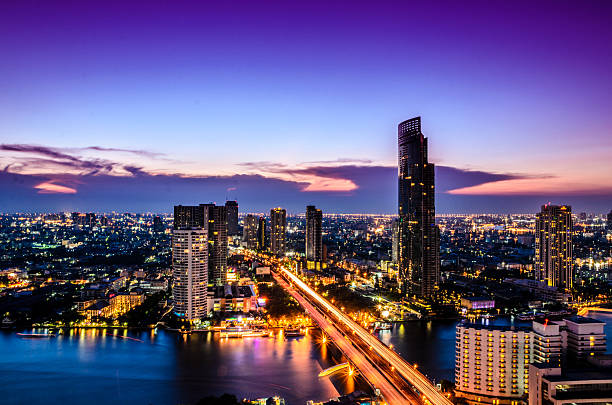
Visión Macroeconómica: México en el Epicentro Global
El contexto macroeconómico es el telón de fondo sobre el cual Fibra Uno despliega su ambicioso plan. Las perspectivas para México en 2025 son excepcionalmente positivas. Valeria Moy, directora general del Instituto Mexicano para la Competitividad (IMCO), y Ildefonso Guajardo, ex secretario de Economía, cuyas visiones fueron compartidas en el FUNO Day, han articulado consistentemente los retos y las oportunidades que presenta el país. La estabilidad macroeconómica de México, su apertura comercial a través de tratados como el USMCA, y su posición geográfica privilegiada son activos invaluables.
El nearshoring no es solo una tendencia; es una transformación estructural que está redefiniendo la inversión extranjera directa y la posición de México en las cadenas de valor globales. La capacidad del país para atraer manufactura avanzada y logística 4.0 es un testimonio de su competitividad y de la robustez de su sector privado. Desde mi experiencia, la confluencia de estos factores crea un entorno de “oportunidad sin precedentes”, donde la demanda de bienes raíces comerciales, industriales y de oficinas no solo se mantiene, sino que se acelera. La inversión de Fibra Uno es una apuesta clara y contundente por este futuro prometedor.
Conclusión y el Futuro Brillante de FUNO
El plan de inversión de 50 mil millones de pesos de Fibra Uno durante los próximos cinco años no es solo una cifra impresionante; es la manifestación de una estrategia visionaria y una confianza inquebrantable en el potencial de México. Al dirigir su capital hacia los sectores industrial, comercial y de oficinas con un enfoque en la sostenibilidad y la adaptabilidad, FUNO no solo asegura su propio crecimiento, sino que también impulsa el desarrollo económico y social del país. La Fibra está construyendo el futuro, ladrillo a ladrillo, creando espacios que satisfacen las demandas de una economía en auge y de una sociedad en constante evolución.
Como experto en el mercado inmobiliario mexicano, no tengo dudas de que esta estrategia consolidará la posición de Fibra Uno como el líder indiscutible del sector. Su capacidad para anticipar tendencias, ejecutar proyectos de gran escala y mantener un compromiso firme con la excelencia y la sostenibilidad la posiciona para un éxito continuado en la próxima década.
Si usted es un inversionista buscando capitalizar el auge económico de México, un desarrollador buscando un socio estratégico, o una empresa en búsqueda de los espacios más eficientes y modernos para su operación, le invito a explorar las oportunidades que Fibra Uno está creando. Es el momento ideal para formar parte de la inversión de capital que está redefiniendo el futuro del desarrollo inmobiliario en México. El horizonte de Fibra Uno es brillante, y el camino hacia la rentabilidad inmobiliaria se construye sobre una base sólida de visión, estrategia y liderazgo.